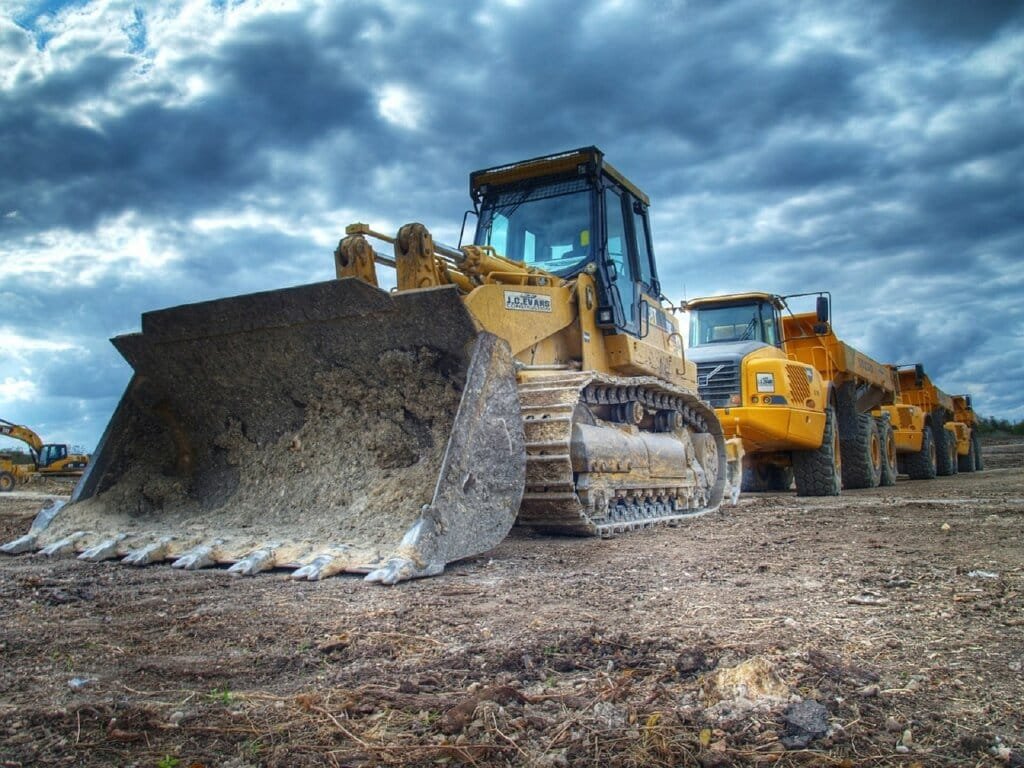
LEAD ACID STARTING SOLUTIONS
PROVEN STARTING POWER. BUILT FOR DEMANDING USE.
Lead acid starting solutions, including portable and heavy-duty lead acid jump starters, remain a proven choice where strong cranking performance, dependable stored energy and longer starting attempts are important.
Go to a different starting solution
🟦 Lithium Jump Starters | 🟩 Supercapacitor Jump Starters | 🟧 Installed Starting Systems
LEAD ACID STARTING SOLUTIONS: WHEN RELIABLE CRANKING POWER MATTERS
Lead acid jump starters remain a proven choice where strong cranking performance, dependable stored energy and longer starting attempts are important.
In addition, they are used across cars, 4WDs, service vehicles, workshops, trucks, agricultural equipment and machinery, with models ranging from compact portable units through to heavy-duty commercial jump starters.
Because lead acid batteries store substantial energy, they can also suit applications where repeated or extended cranking may be required, particularly when weight and portability are less critical.
LOST PRODUCTION
Equipment isn’t earning while it’s sitting idle.
SERVICE CALL-OUTS
Getting assistance to remote machinery costs time and money.
OPERATOR DOWNTIME
Operators and crews can be left waiting.
LEAD ACID BATTERY TECHNOLOGY EXPLAINED
Lead acid batteries have been used for vehicle starting applications for generations because they can deliver strong cranking current while also storing a useful amount of energy.
A lead acid battery uses lead-based plates and an electrolyte to store electrical energy. When a jump starter is connected to a vehicle, the battery can deliver the high current required by the starter motor while also supporting longer or repeated cranking attempts when the application demands it.
Today, portable and commercial lead acid jump starters commonly use sealed battery designs that reduce maintenance requirements and allow the battery to be incorporated into a self-contained portable starting unit.
TYPES OF LEAD ACID BATTERIES USED IN JUMP STARTERS
AGM (Absorbent Glass Mat)
In an AGM battery, absorbent glass mat separators hold the electrolyte in place. As a result, this sealed design delivers strong discharge performance, resists vibration and requires little routine maintenance, making it well suited to many portable and commercial jump starters.
Other Lead Acid Battery Designs
Lead acid batteries are also available in flooded, gel and other sealed configurations. Their construction, cranking capability, cycle life, charging requirements and suitability vary, so the battery design needs to be matched to the intended starting application.
WHY LEAD ACID WORKS SO WELL FOR JUMP STARTING
Lead acid batteries can deliver the high current required by a starter motor while also providing substantial stored energy. This makes them well suited to jump starting applications where strong cranking performance is important.
One of the major strengths of lead acid technology is its ability to support longer or repeated cranking attempts. This can be particularly useful for larger engines, workshop applications, machinery and vehicles that may require more than a short starting burst.
Lead acid jump starters can also provide useful stored energy for compatible 12V accessories and equipment. Depending on the model, this may include work lights, compressors, diagnostic equipment or other portable electrical loads.
Although lead acid units are generally heavier than comparable lithium jump starters, their proven technology, cranking capability and stored energy continue to make them a practical choice for workshops, service vehicles, trucks, agriculture and machinery.
LEAD ACID STARTING SOLUTIONS: CHOOSING THE RIGHT JUMP STARTER
In addition, our lead acid starting solutions range covers portable units through to heavy-duty 12V and 24V commercial jump starters.
These lead acid jump starters are grouped by system voltage to make selection easier.
Choose the system voltage used by your vehicle or equipment, then select the jump starter that suits the engine size and application.
🟩LIGHT-DUTY & GENERAL PURPOSE
For Cars, 4WDs, Service Vehicles & Workshops
Lead acid jump starters can provide dependable cranking power and useful stored energy for lighter-duty vehicle and workshop applications. As our lead acid range expands, this section can include more compact 12V models suited to everyday starting requirements.
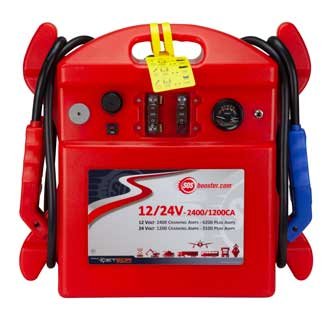
Cars, 4WDs & Light Vehicles
Compact lead acid jump starters for everyday vehicles, workshops, service vehicles and lighter commercial applications.
🟧HEAVY-DUTY & COMMERCIAL
For 12V & 24V Heavy Duty Starting Systems
By comparison, heavy-duty lead acid jump starters suit trucks, buses, agricultural equipment, earthmoving machinery, workshops and commercial service applications where strong cranking performance and substantial stored energy are required.
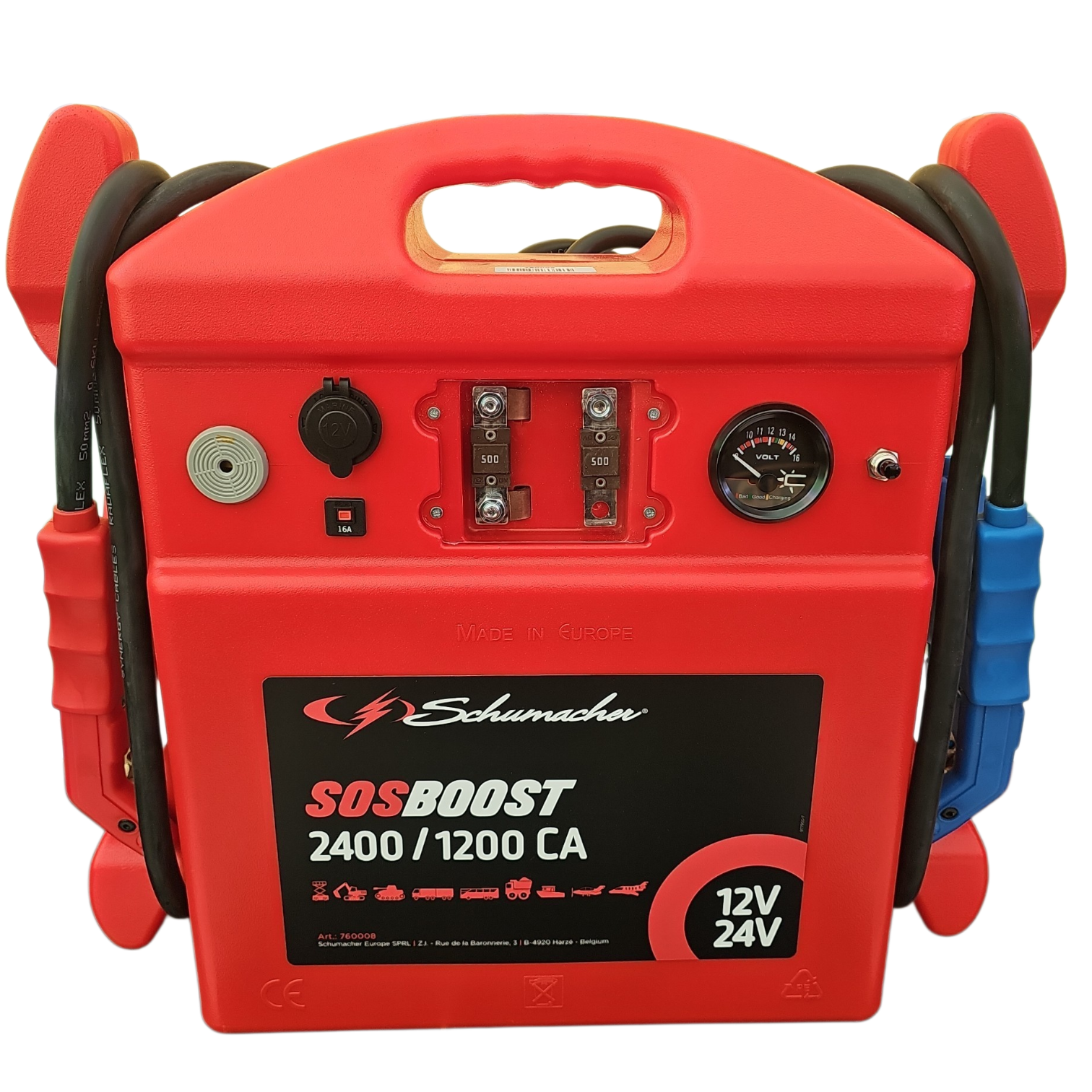
Heavy-Duty, Commercial & Machinery.
Higher-output lead acid jump starters for trucks, tractors, agricultural equipment, workshops and demanding commercial use.
WHAT TO CONSIDER WITH LEAD ACID JUMP STARTERS
Lead acid jump starters are proven and dependable, but their performance depends heavily on battery condition and state of charge. Regular charging, correct storage and matching the unit to the application will help maintain reliable starting performance and battery life.
For workshops, service vehicles, trucks, agricultural machinery and commercial applications, lead acid units can provide strong sustained cranking power, but they generally require more regular charging and care than lithium or supercapacitor alternatives.
KEEP YOUR UNIT CHARGED REGULARLY
Lead acid batteries should be kept charged and should not be left discharged for long periods. Recharge the jump starter after use and periodically during storage to help prevent battery deterioration and maintain starting performance.
MATCH THE UNIT TO THE APPLICATION
Choose a jump starter based on system voltage, engine size and the level of cranking power required. Heavy trucks, tractors and machinery may require significantly more starting capacity than cars, 4WDs and lighter commercial vehicles.
USE THE CORRECT CHARGER
Recharge the unit using the charger specified for the battery type and voltage. Using the correct charging method helps maintain battery condition, charging performance and service life. These lead acid units can also be left connected to their approved maintenance charger when not in use.
STORE AND USE IT APPROPRIATELY
Store the jump starter in a dry, suitable location and protect it from excessive heat, moisture and physical damage. Check cables, clamps and battery condition periodically, particularly on units carried in service vehicles or workshops.
HOW A LEAD ACID JUMP STARTER WORKS
A lead acid jump starter stores electrical energy in an internal lead acid battery. When connected to a vehicle battery, it can deliver the high current needed to support the vehicle battery and crank the starter motor.
The complete starting system includes the internal battery, heavy-duty cables, clamps, protection devices and charging system, all working together to deliver reliable starting power when required.
01
CONNECT
Connect the jump starter to the vehicle battery using the correct polarity and ensure the clamps have a clean, secure connection. Position the leads safely and follow the unit’s operating instructions before starting.
02
DELIVER STARTING POWER
The internal lead acid battery supplies high current through the cables and clamps to support the vehicle battery and crank the starter motor.
03
RECHARGE AND BE READY
After use, recharge the jump starter so it is ready for the next vehicle, machine or emergency start. Approved maintenance chargers can generally remain connected when the unit is not in use.
LEAD ACID STARTING SOLUTIONS: SAFETY, CHARGING AND MAINTENANCE
Lead acid jump starters are robust and dependable, but regular charging and basic maintenance are important to keep the internal battery healthy and ready for use.
Allowing a lead acid battery to remain discharged for extended periods can reduce capacity and shorten its service life. For this reason, correct charging, suitable storage and periodic inspection will help maintain reliable starting performance.
Good charging and maintenance practices include:
Use the correct charger. Use the charger or maintenance charger specified for the unit. Approved maintenance chargers can generally remain connected when the jump starter is not in use. As a result, regular charging helps maintain battery capacity and reliable starting performance.
Recharge after use. Recharge the jump starter after starting a vehicle or machine so it is ready for the next use.
Avoid prolonged discharge. Do not leave the unit in a discharged state for extended periods, particularly during long-term storage.
Inspect regularly. Check the battery condition, cables, clamps and case for signs of damage, corrosion or deterioration.
Store appropriately. Keep the jump starter in a dry, secure location away from excessive heat, moisture and physical damage.
NOT SURE WHICH OF OUR LEAD ACID STARTING SOLUTIONS SUITS YOUR APPLICATION?
You’ve now seen how lead acid jump starters work, where they fit and what to consider. You can browse the lead acid range, use our Product Finder for a recommendation, or contact us directly for help choosing the right starting solution.
WHICH STARTING SOLUTION IS RIGHT FOR YOU?
Whether you need a portable jump-starting solution or permanently installed starting power, the right system depends on how your equipment operates.
Compare the three main starting technologies below to help identify the solution that best suits your vehicle, equipment and operating requirements.
🟦 LITHIUM STARTING TECHNOLOGY
LITHIUM BATTERY JUMP STARTERS
Portable jump starting along with useful stored energy.
Compact, high-output starting power that can also provide portable energy for accessories and devices.
BEST FOR
- Cars, 4WDs and vans
- Trucks and commercial vehicles
- Agricultural machinery
- Workshops and service vehicles
- Customers wanting portable power as well as starting capability
🟩 SUPERCAPACITOR STARTING TECHNOLOGY
SUPERCAPACITOR STARTERS
High-current starting without relying on a lithium battery pack.
Well suited to demanding starting applications where rapid energy delivery, frequent use and long service life are priorities.
BEST FOR
- Heavy trucks and machinery
- Workshops and fleets
- Agricultural and earthmoving equipment
- Frequent starting applications
- Portable or permanently installed starting solutions
🟧 LEAD ACID STARTING TECHNOLOGY
LEAD ACID JUMP STARTERS
Traditional battery-based starting power with portable power.
A proven starting technology that can provide strong cranking performance and stored energy when weight and portability are less important.
BEST FOR
- Cars, workshops and service vehicles
- Trucks and heavy machinery
- Applications requiring longer cranking periods
- Longer-duration 12V accessory power
- Preference for a lead acid battery-based starting equipment
Quick Comparison
Compare the key differences below to quickly identify the starting technology that best suits your vehicle, equipment and operating requirements.
| Feature | Lithium Jump Starters | Supercapacitor Jump Starters | Lead Acid Jump Starters |
|---|---|---|---|
| Starting Power | High to very high | Very high current delivery | High |
| Portability | Excellent — high power from a compact package | Very good — varies with unit size and application | From compact portable units to heavier commercial packs |
| Stored Energy | Good | Low — designed primarily for high-power starting | Very high |
| Cranking Capability | Strong — duration depends on unit size and application | Strong high-current cranking with rapid energy delivery | Very good — particularly for longer cranking periods |
| Recharge Speed | Fast to moderate depending on charging system | Very fast | Generally slower |
| Storage / Routine Charging | Periodic charging recommended during storage | No routine charging required; can remain unused for extended periods with very little degradation | Regular charging recommended to maintain battery condition |
| Maintenance | Low | Low to maintenance-free | Higher — regular charging and battery care required |
| Portable Accessory Power | Very good on suitably equipped models | Limited — not primarily designed for stored accessory power | Excellent for longer-duration 12V-compatible loads |
| Typical Applications | Cars, 4WDs, commercial vehicles, trucks, agriculture, machinery and workshops | Heavy trucks, machinery, agriculture, fleets, workshops and frequent starting applications | Small vehicles through to workshops, trucks, machinery and applications needing stored energy or longer cranking |
NOT SURE WHICH STARTING SOLUTION YOU NEED?
Choosing between lithium, supercapacitor and lead-acid starting technology depends on the vehicle, engine size, operating environment and how the jump starter will be used.
If you’re not sure which option best suits your application, use the Jumpbooster Product Finder. Answer a few quick questions and we’ll recommend the most suitable product based on your requirements.